
Medical Emergency? Call 911 immediately.

Sudden shortness of breath, chest pain, or an unexplained rapid heartbeat may signal a pulmonary embolism. Do not drive yourself to the hospital.

Pulmonary Embolism (PE) Management

What Is a Pulmonary Embolism?

PE most commonly arises from deep vein thrombosis (DVT) — a clot in the deep veins of the legs. When that clot detaches, it travels through the venous system to the pulmonary arteries, blocking blood flow through part of the lung.

PEs range from asymptomatic (small peripheral clots) to rapidly fatal (large central clots). Approximately 1 in 3 untreated PEs is fatal, making early diagnosis and treatment critical.

If you experience sudden shortness of breath, chest pain, or unexplained rapid heartbeat, call 911 immediately. Do not drive yourself to the hospital.

Related Conditions

Superficial Venous

Deep Venous Insufficiency

Deep Vein Thrombosis (DVT) Management

Symptoms

Symptoms depend on clot size and location. Common presentations include:

Some PE patients have no symptoms at all. This underscores the importance of treating DVT before it can embolize to the lungs.

Risk Factors

PE most commonly arises from DVT. Shared risk factors include:

Diagnosis

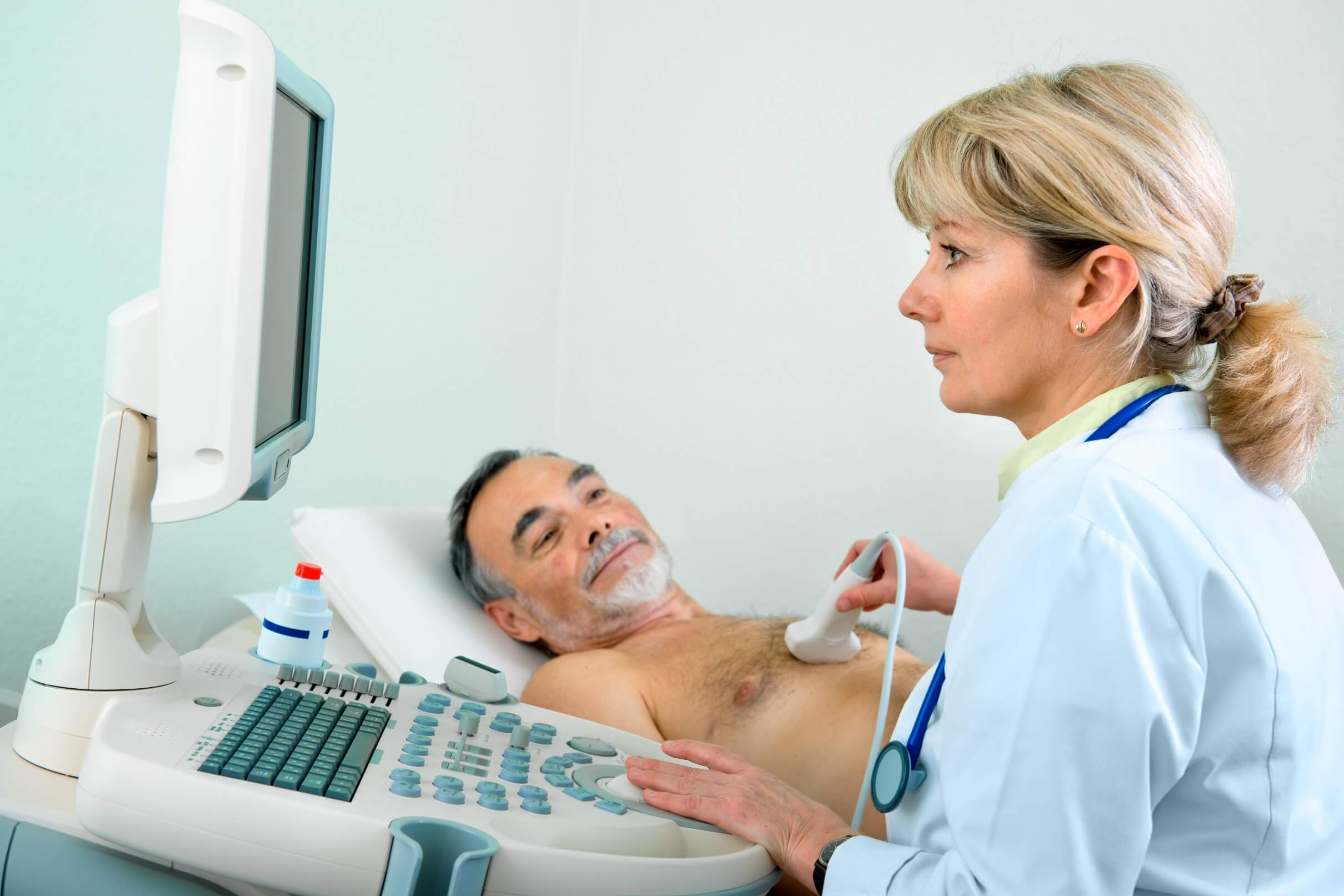
Diagnosing PE and determining its severity requires clinical assessment and imaging:

Risk classification (Massive / Submassive / Low-Risk) guides treatment intensity. Our team uses a multidisciplinary approach to determine the safest and most effective therapy.

Treatment Options

Treatment approach depends on PE severity and the patient’s overall clinical status.

Anticoagulation

Foundation of PE treatment. Blood thinners (heparin, DOACs such as rivaroxaban or apixaban) prevent clot growth and new clot formation. Typically continued 3–6 months minimum.

Systemic Thrombolysis

IV clot-dissolving medication (tPA) for massive PE with hemodynamic instability. Rapid acting but carries higher bleeding risk — reserved for life-threatening situations.

Catheter-Directed Thrombolysis

Catheter placed directly in the pulmonary artery delivers thrombolytics at lower doses. Reduces bleeding risk vs. systemic therapy.

IVC Filter Placement

A filter placed in the inferior vena cava catches clots before they reach the lungs — for patients who cannot safely receive anticoagulation.

Surgical Embolectomy

Open surgical removal of the pulmonary clot — reserved for massive PE when thrombolysis is contraindicated or has failed.

Long-Term Follow-Up

Post-PE management includes anticoagulation monitoring, clotting disorder workup, cancer screening, and watching for chronic thromboembolic pulmonary hypertension (CTEPH).

Catheter based thrombectomy

Frequently Asked Questions

Common questions about Pulmonary Embolism (PE) Management


Is a pulmonary embolism always fatal?


No. With prompt diagnosis and appropriate treatment, most PE patients recover well. However, untreated PE carries a mortality rate of approximately 30%. Immediate evaluation when symptoms occur is critical.


How long do I need to take blood thinners after PE?

Typically a minimum of 3 months for a provoked PE (identifiable cause) and often 6+ months or indefinitely for unprovoked PE, recurrent PE, or underlying clotting disorders. Your physician will recommend the appropriate duration based on your individual risk.

What is chronic thromboembolic pulmonary hypertension (CTEPH)?


CTEPH is a rare but serious complication in which blood clots do not fully resolve after PE and permanently raise pressure in the pulmonary arteries. It requires specialist evaluation and may be treated with medications or pulmonary endarterectomy.


Can I fly after a pulmonary embolism?

Air travel in the early recovery period carries additional risk. Most specialists recommend avoiding long flights for at least 4–6 weeks and ensuring adequate anticoagulation before traveling. Discuss specific travel plans with our team.

Explore Related Conditions

Vascular and venous conditions are often connected — early evaluation of one may uncover another.

Request a PE Appointment

Gupta Cardiology’s physicians have pioneered a variety of methods to treat Pulmonary Embolism (PE). Our physicians evaluate each patient on a case-by case basis to determine the best course of treatment.