
Understanding and treating abnormal heart rhythms — from atrial fibrillation and pacemakers to implantable devices and cardiac monitoring. Explore every arrhythmia service we offer.
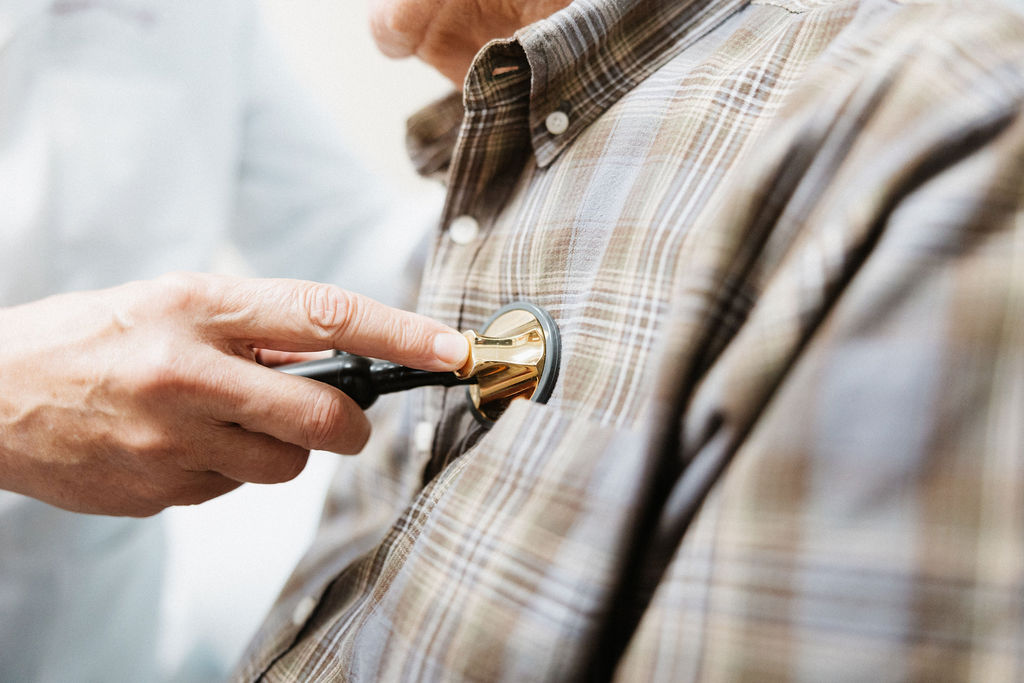
Atrial fibrillation (AFib) is the most common serious heart arrhythmia, affecting more than 6 million Americans. It occurs when the upper chambers of the heart (atria) receive erratic, disorganized electrical signals, causing them to quiver (fibrillate) rather than contract normally. This irregular beating disrupts the coordinated pumping of blood and significantly increases the risk of stroke, blood clots, and heart failure.
The primary goals of AFib management are controlling the heart rate and/or restoring normal heart rhythm, while reducing stroke risk with blood-thinning medications.
When medications are not sufficient, procedures such as cardioversion (electrical reset of the heart) or catheter ablation (destroying abnormal electrical pathways) can restore normal rhythm.
AFib significantly raises your stroke risk. Early evaluation can protect your heart and your future.
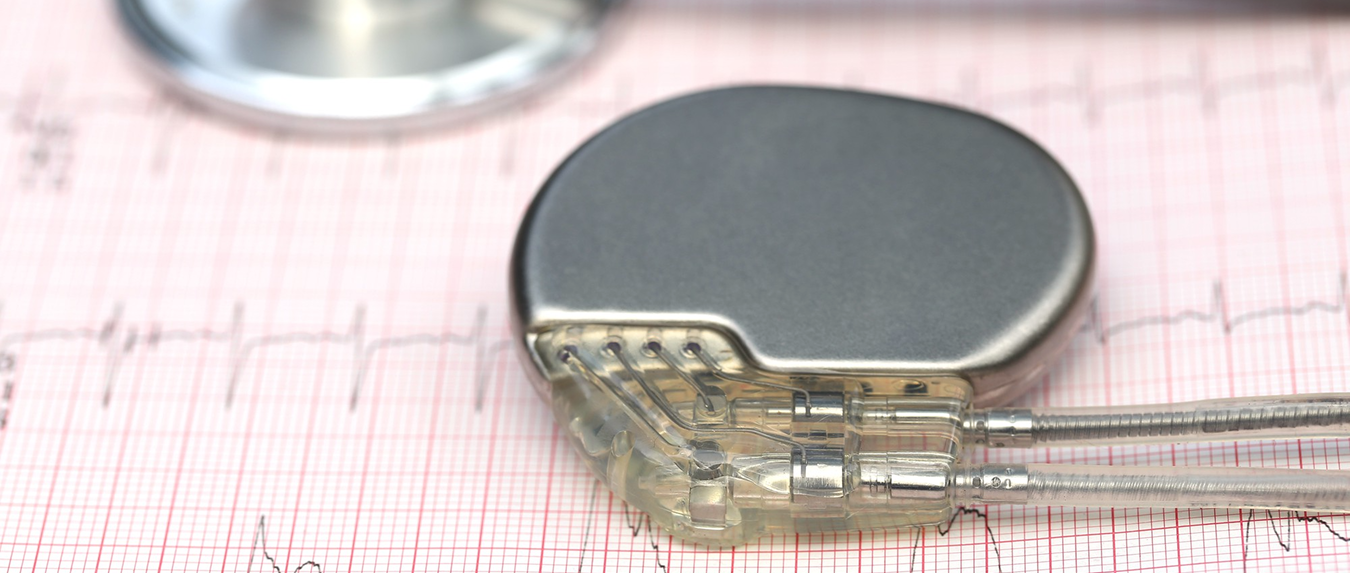
Advanced pacing technology has transformed the treatment of heart failure and complex arrhythmias. Biventricular (Bi-V) pacing — also known as cardiac resynchronization therapy (CRT) — coordinates the left and right ventricles to pump more efficiently. The Micra™ Transcatheter Pacing System is the world’s smallest pacemaker, implanted directly into the heart without traditional leads (wires), offering a minimally invasive alternative for patients who need single-chamber pacing.
Ideal for patients with moderate-to-severe heart failure (NYHA Class III–IV), reduced ejection fraction (EF ≤35%), and evidence of ventricular dyssynchrony such as left bundle branch block, who remain symptomatic on optimized medical therapy.
Best suited for patients requiring single-chamber ventricular pacing who cannot or prefer not to have traditional transvenous leads — including those with vascular access issues, prior lead complications, or high infection risk.
Our electrophysiology team will evaluate whether Bi-V or Micra pacing is appropriate for your heart condition.
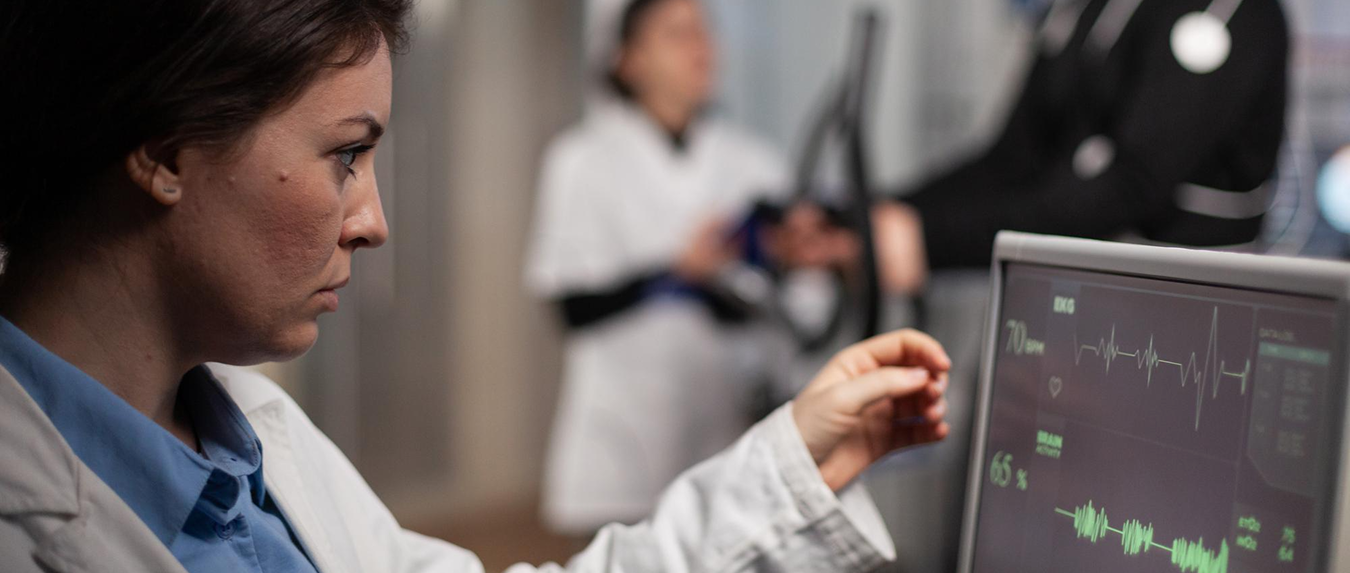
Cardioversion is a medical procedure used to reset an abnormal heart rhythm (arrhythmia) back to a normal, regular rhythm. It can be performed electrically (using a controlled shock delivered through the chest) or chemically (using antiarrhythmic medications intravenously). Cardioversion is most commonly used to treat atrial fibrillation, atrial flutter, and certain ventricular arrhythmias.
Cardioversion restores normal rhythm immediately, but underlying conditions can cause arrhythmia to recur. Ongoing treatment is often needed to maintain sinus rhythm and prevent stroke.
For patients with severe or refractory heart failure, advanced device-based therapies or surgical interventions may be necessary to restore cardiac function.
Our cardiac team will walk you through the preparation, procedure, and what to expect during recovery.
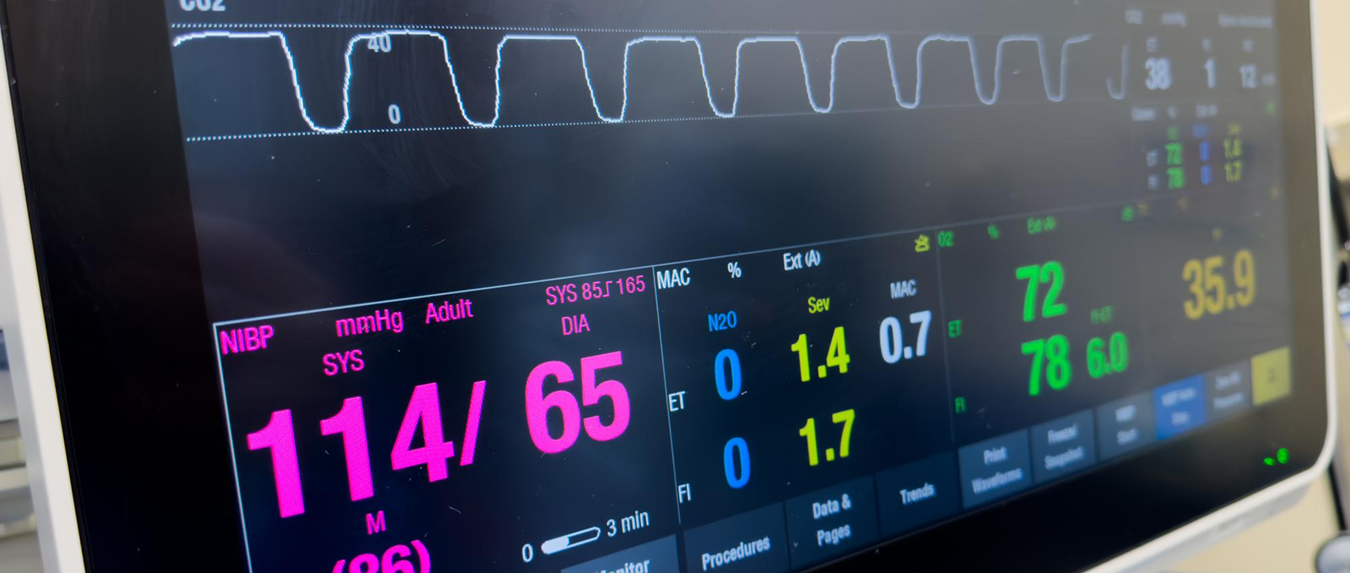
Cardiac monitors are wearable or external devices that continuously record your heart’s electrical activity over an extended period — from 24 hours to 30 days or longer. Because many arrhythmias are intermittent and may not appear during a standard in-office EKG, heart monitors are invaluable for capturing irregular rhythms in your everyday environment. They help diagnose conditions like AFib, SVT, and unexplained palpitations or fainting episodes.
Once your monitor period ends, our cardiologists analyze the data and correlate any recorded arrhythmias with your reported symptoms. Based on findings, we’ll recommend the most appropriate next steps.
When lifestyle changes alone are insufficient — particularly in patients with familial hypercholesterolemia or high cardiovascular risk — pharmacological therapy is essential.
A heart monitor can catch what an in-office EKG might miss. Get a definitive answer about your rhythm.
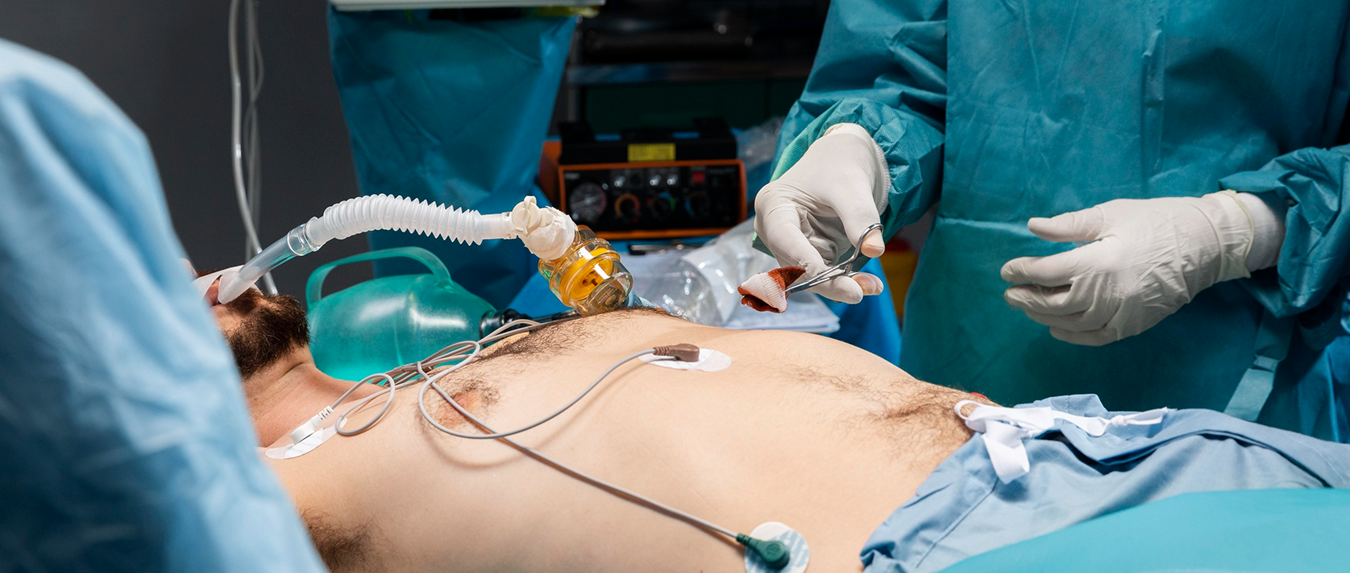
An Implantable Cardioverter-Defibrillator (ICD) is a small battery-powered device placed under the skin, near the collarbone, that continuously monitors your heart rhythm. When it detects a life-threatening arrhythmia — such as ventricular fibrillation or ventricular tachycardia — it delivers an electric shock to restore a normal rhythm. ICDs are a proven, life-saving therapy for patients at high risk of sudden cardiac death.
Most patients with an ICD lead full, active lives. The device works silently in the background and only activates when needed. Regular follow-up ensures the device is functioning properly and battery life is sufficient.
When lifestyle changes alone are insufficient — particularly in patients with familial hypercholesterolemia or high cardiovascular risk — pharmacological therapy is essential.
An ICD can be a life-saving intervention. Our team will assess your risk and guide you through the decision.
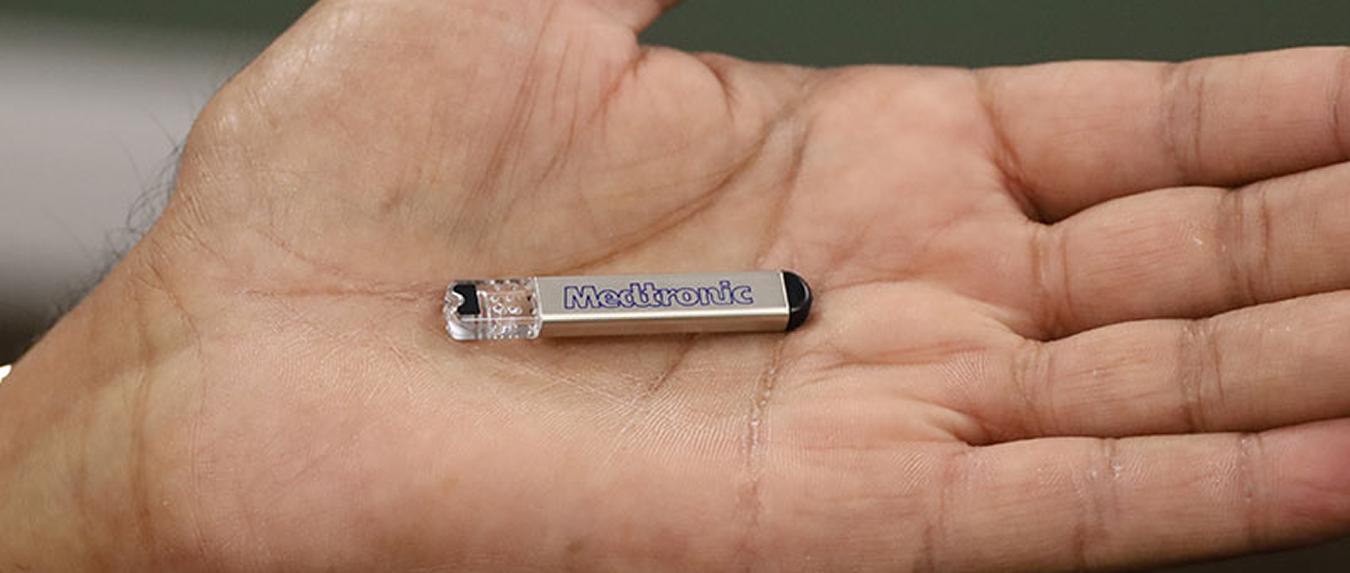
An Implantable Loop Recorder (ILR) — also called an implantable cardiac monitor (ICM) — is a tiny, injectable device (about the size of a USB drive) placed just under the skin of the chest. It continuously records your heart’s electrical activity for up to 3 years, making it the gold standard for detecting rare or intermittent arrhythmias that external monitors can’t capture. The device automatically stores abnormal rhythms and can also be activated by the patient during symptoms.
After implantation, your device transmits heart rhythm data to our team wirelessly. We review reports regularly and alert you if a significant arrhythmia is detected — often before you’re even aware of symptoms.
When lifestyle changes alone are insufficient — particularly in patients with familial hypercholesterolemia or high cardiovascular risk — pharmacological therapy is essential.
A loop recorder provides answers that other tests can’t. Talk to our team about long-term monitoring.
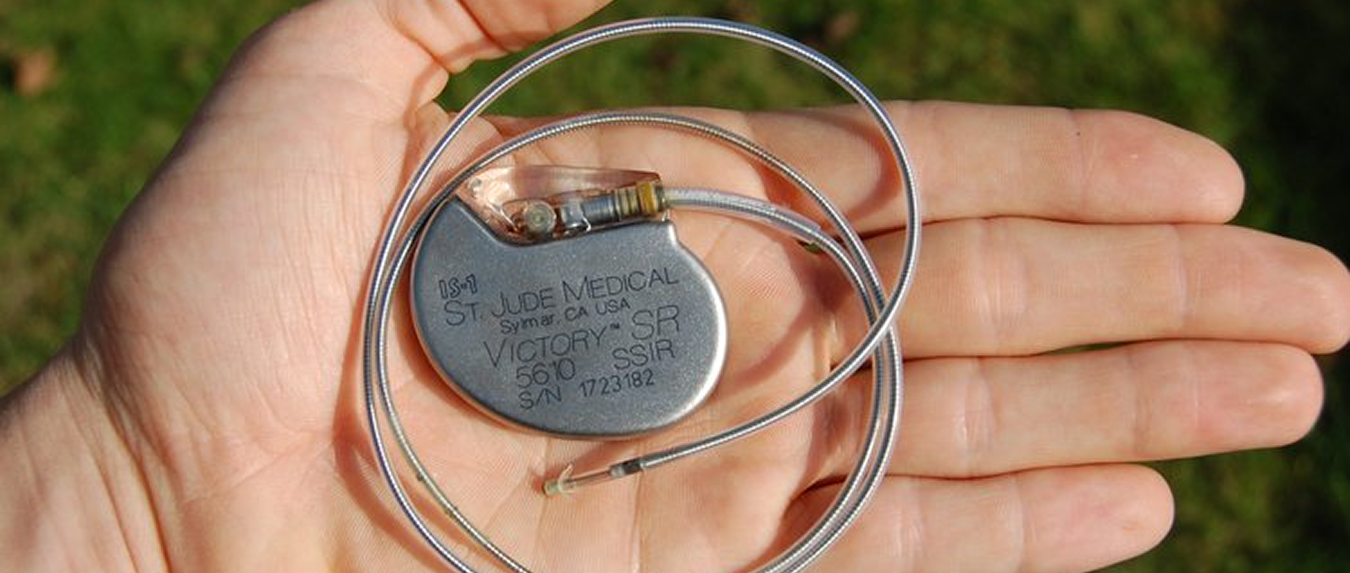
A pacemaker is a small device implanted under the skin, typically near the collarbone, that helps control abnormal heart rhythms — particularly hearts that beat too slowly (bradycardia) or pause unexpectedly. The pacemaker sends low-energy electrical pulses to prompt the heart to beat at a normal rate. Modern pacemakers are sophisticated, reliable, and can communicate wirelessly with your cardiologist, enabling remote monitoring without frequent office visits.
The vast majority of pacemaker patients return to full normal activities within 4–6 weeks of implantation. Modern devices are robust and designed to integrate seamlessly into daily life, including exercise and travel.
A pacemaker treats the slow heart rate but does not address the underlying cause of the arrhythmia. Most patients continue with medications to manage associated conditions such as AFib, heart failure, or high blood pressure.
Bradycardia is treatable. Our cardiac device specialists will find the right pacing solution for you.