Vascular and venous conditions are often connected — early evaluation of one may uncover another.
Vein disease begins as the result of damaged valves within the veins themselves. The primary function of veins is to return blood from the body to the heart.
Vein disease, or venous insufficiency, is a condition when the veins in the legs do not properly return blood flow back to your heart. Damaged or weakened veins cause blood to flow backwards and blood to pool in the legs. This leads to visible, painful or swollen veins.
Vein disease begins as the result of damaged valves within the veins themselves. The primary function of veins is to return blood from the body to the heart. Muscle contractions in the legs help accomplish this goal by pushing the blood flow upward, against gravity. At the same time, valves inside the veins open to allow blood to flow in the correct direction and close to prevent it from coming back. However, when valves become weak or damaged, they may not be able to stop the backward flow of blood and subsequent pooling in the veins. Over time, this leads to the darkening, swelling and twisting of varicose veins. Pelvic vein compression or May Thurner Syndrome
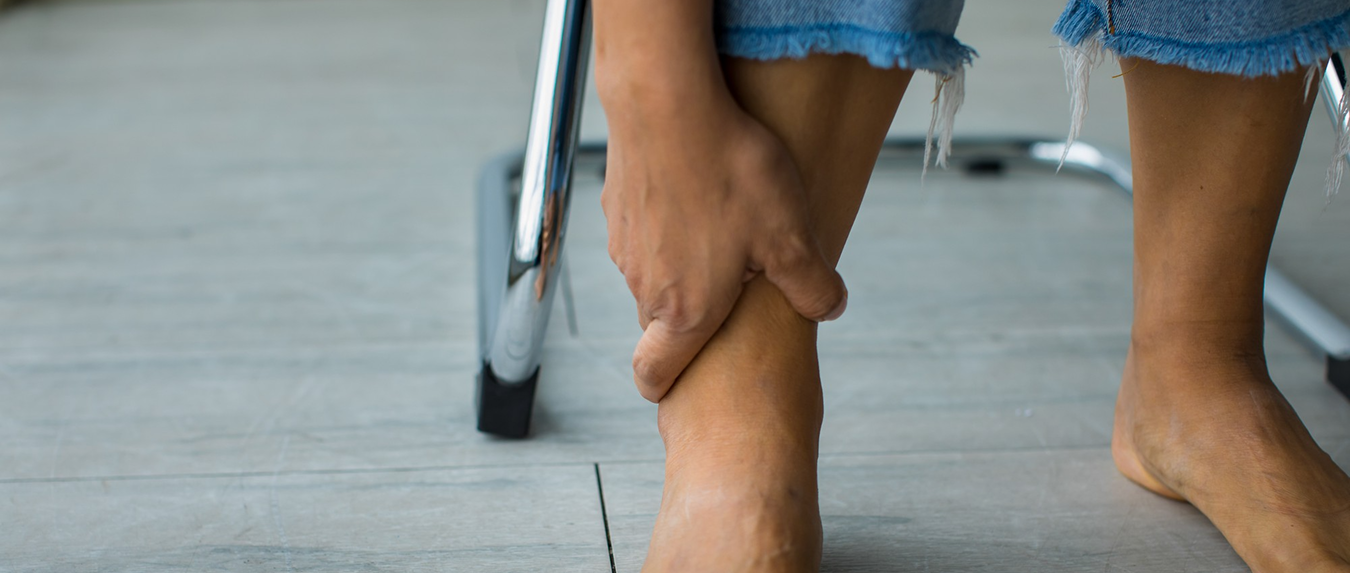
Vein disease may produce no bothersome symptoms at all. However, in cases which do become symptomatic, the following are among the most commonly observed side effects:
Diagnosing vein disease relies on a combination of symptoms, physical examination, and diagnostic tests. To confirm the presence of vein disease, a physician may use:
Vein disease can be treated with lifestyle modifications as well as medication. Compression stockings are most commonly used to help relieve symptoms, improve blood flow and reduce swelling. However, to treat the root of the problem, interventional procedures can be done to remove or close off the diseased veins. Most of these procedures can be done at Pinnacle Vascular Solutions.
Without treatment, chronic venous insufficiency can be very painful and debilitating. It can lead to tissue inflammation, tissue damage, or blood clots, and can cause ulcers and infections, which can spread. It is important to consult a vein specialist for a proper diagnosis.
While certain risk factors for varicose veins are beyond a patient’s control, there are steps that can be taken to minimize veins and their impact on the body. These include: